Generative AI is fast becoming one of the primary ways information flows, not just how it’s found, but how it is interpreted. As our information habits change, so too does the way we browse, skim and compare information. Increasingly, people are asking AI to summarise, explain and make sense of the world on their behalf.
That fundamentally changes how media influence works.
I’m midway through Nexus, by Yuval Noah Harari who argues that information has never simply been about truth. Its real power lies in coordination, in helping societies agree on shared explanations of how things work.
AI answer engines are the latest (and fastest) information nexus we’ve ever built. They don’t reward what is most read or most visible, they privilege what is most useful for explanation.
Being widely read is no longer enough if you want to influence both humans and the LLMs. What matters more when it comes to AI answer engines, is whether a source helps explain the world clearly. AI systems tend to rely on pages that define concepts, explain how things work, compare options, or provide a trustworthy record of events.
This has significant consequences for media relations in B2B technology.
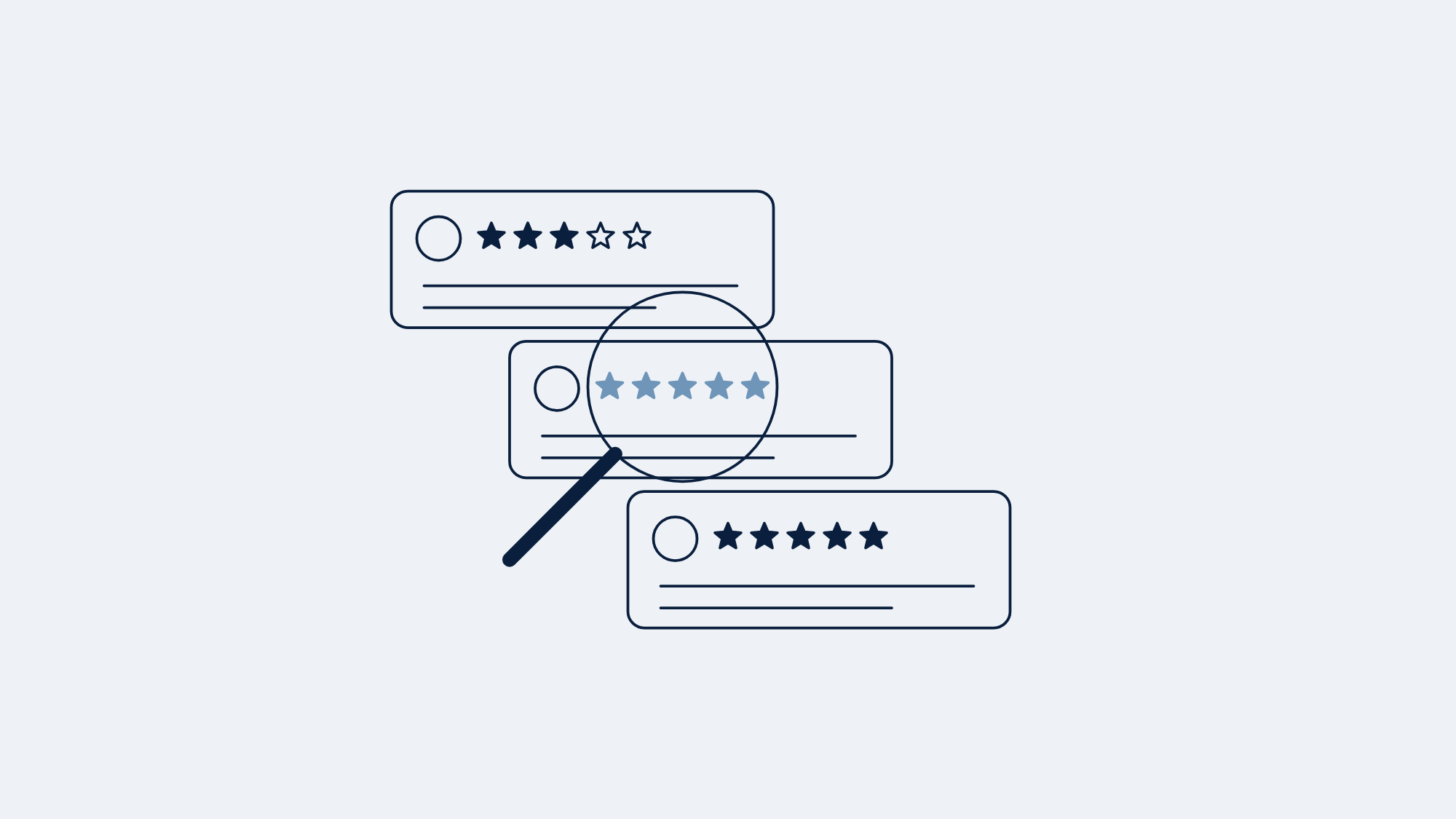
Our research shows that when AI systems generate answers, subject-matter authority outweighs domain authority and raw traffic. In practice, this means niche and trade publications, especially those embedded in specific technical or professional communities , can yield greater influence over AI-generated outputs. Despite having far smaller audiences than national or mainstream outlets, they are more likely to shape how technologies are explained, compared and understood.
This marks a return to first principles in PR.
Influence is no longer just about visibility; it’s about epistemic weight. The outlets that matter most are those that help AI systems, and by extension buyers, make sense of unfamiliar territory. In an AI-mediated information environment, the publications that define categories, clarify language and establish shared mental models become the power brokers.
For B2B technology brands, that means media strategy must evolve. Not away from credibility or scale, but towards explanatory authority, because in an era of AI answers, the sources that help systems think are the ones that ultimately shape decisions.
.png?width=1496&height=774&name=image%20(28).png)
The myth of “top-tier” media in B2B tech
In B2B technology, “top-tier” media is often misunderstood. CEOs and CMOs still default to national titles as being the pinnacle of success. But that’s not necessarily where influence comes from. And our data now shows this to be true.
Across the top 100 most-cited publications in B2B technology, only six are national or general-interest business outlets:
- Reuters
- Axios
- Business Insider
- Financial Times
- Wall Street Journal
- CNBC
The rest of the citation landscape looks very different:
- National publications: 6
- Trade publications (technology, primarily B2B): 73
- Trade publications (other verticals): 14
- Regional publications: 7
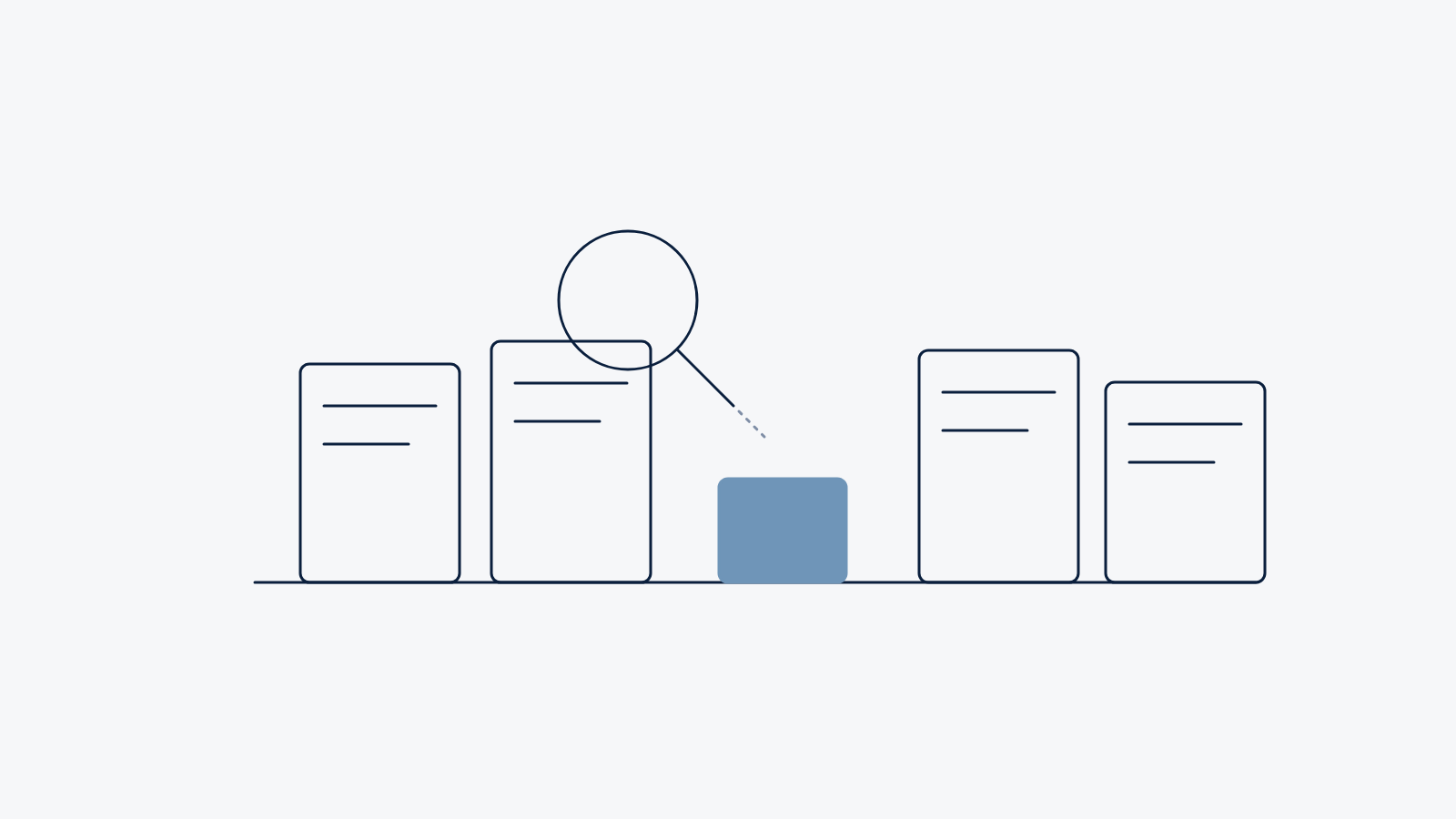
In total, 87 of the top 100 cited sources are trade or specialist outlets. AI systems don’t prioritise scale or reach metrics. They prioritise relevance, specificity and clarity.
It’s worth noting as well that many major English-language news outlets - including The Financial Times, Reuters, Sky News, The New York Times, CNN and more - have blocked AI crawlers scraping their content. B2B and niche publications on the other hand, have spent a long time publishing deep, information-rich analysis of the markets and the exact challenges your ICP is trying to solve. And because this content is accessible, it’s increasingly what LLMs draw on to answer real buyer queries.
The real consideration is more practical: where do you want to show up when your buyers are actively searching for answers?
Why specialist media wins in AI citations
Trade publications don’t just report on the news. Their articles go deeper than the headline. They analyse and explain what’s happening in the news, they get super specific on what it means for the audience they write for. And that matters to the LLMs. specialist media answers questions the audience needs answered - what is the news, what does it mean, how it work, what’s the wider market context.
Specialist media goes deeper. It uses precise language and speaks to defined problems and audiences. That makes their content easier to understand, reference and reuse. It’s exactly what AI systems need when generating answers.
What AI actually cites...
Across the dataset, the most frequently cited pages follow a small number of repeatable formats:
- Clear definitions (“What is X?”)
- Buyer’s guides and “best of” comparisons
- Analyst framework summaries (e.g. Gartner or Forrester)
- Deep technical explainers
- Structured coverage of niche markets
These formats are rarely produced by mainstream media, but are the bread and butter of trade publications.
The result: trade outlets are becoming the reference layer for AI systems. That sees them defining categories and drawing up your buyers shortlist.
How does AI actually build answers?
Digging deeper into the nuances in B2B technology, content produced by credible journalists and media accounts for the majority of citations in AI-generated answers. At the time of writing, news makes up 62.3% of all citations. Evergreen content, from special reports to comparison guides, accounts for the remaining 37.7%.
But only looking at volume misses the point. News and evergreen content play very different roles in how AI systems construct answers. One establishes what happened. The other explains what it means.
And that distinction is where influence is really shaped.
Two layers of influence: events and explanation
AI systems appear to draw on two layers of media reporting.
The event layer is led by news. This is where AI establishes what happened.
News announcements alone account for 40%+ of all citations, making them the single most common source type. Funding rounds. Partnerships. Product launches. Regulatory changes. When AI needs to reference an event, it turns to news.
The explanation layer is led by evergreen content. This is where AI works out what it means.
Evergreen citations cluster around a small number of practical formats:
- Educational articles
- Product overviews
- How-to guides
- Buyer’s guides
- Research reports, comparisons and reference pages
Together, these formats make up more than a third of all citations. They are used to answer questions that last well beyond the news cycle.
Why this matters more in some sectors than others
Not all sectors behave the same. New categories run on news and established categories run on explanation.
In fast-moving, hype-led markets, AI & ML, Blockchain, Networking, over 80% of AI citations come from news. These categories move quickly. The dominant question is simple: what’s new?
Mature enterprise sectors work differently.
In Enterprise IT, Application Development, Cybersecurity, DevOps and Analytics, evergreen content takes the lead, in some cases becoming the majority source cited by AI.
Enterprise IT Operations illustrates this most clearly. AI answers here are driven by how-to guides and buyer’s guides, not headlines.
Once a market matures, buyers stop tracking announcements and start solving problems.
Why evergreen-first publications win
This is why specialist B2B media shows up so often in AI-generated answers. Trade publications both cover the news and build understanding.
Titles like TechTarget, TechRadar and Security Boulevard invest heavily in evergreen formats. Educational content, product explainers and structured comparisons designed to support decisions over time.
That’s why they keep getting cited. Even when the original story broke somewhere else.
AI systems use news to stay current and evergreen content to stay coherent. Coherence turns information into answers. And answers build influence.
What this means for communications strategy
News and evergreen content do different jobs. News coverage gets you included in answers about events, announcements, launches and market moves. Evergreen coverage builds durability. It shapes how companies and technologies are explained, compared and evaluated over time.
In a generative AI world, long-term visibility comes from the explanation layer. The publications and formats that help AI answer how, why and which questions are becoming the real sources of influence in B2B technology.
TechTarget: a case study in subject-matter authority
No publisher shows this more clearly than TechTarget. Even though it has less traffic than major national outlets, TechTarget accounts for 12% of all media citations in the dataset, more than any other publisher.
Dominance is not dictated by reach but by structure. TechTarget focuses on formats built to answer questions:
- Definitions and explainers
- Vendor comparisons
- Operational frameworks
- Practitioner-focused guidance
These pages are stable, structured and reusable. They’re written to explain, not just to report.
As a result, TechTarget functions less like a news outlet and more like a knowledge base. And that’s exactly why AI systems cite it so often.
The top citation sources: scale vs. structure
The top ten publications by total citations further reinforce the point that authority in AI systems is contextual, not purely reputational.
While outlets such as Reuters, The Verge, TechCrunch, and the Financial Times appear prominently, they are joined - and in some cases surpassed - by trade and specialist publications with far smaller audiences but much higher relevance density. Publications like CRN, Security Boulevard, The New Stack, Automation.com, and Biometric Update consistently appear because they publish content designed to be reused: rankings, explainers, and domain-specific analysis.
Notably, some mid-tier sites generate higher average citations per URL than global media brands, underscoring that how content is structured matters as much as where it is published.
A practical targeting guide for communications professionals
The findings suggest that effective media relations in the age of AI require matching the type of news to the publication format most likely to become a reference source. The table below summarises this relationship.
|
If you have this type of news |
Prioritise this type of media |
Why it gets cited |
Examples of highly cited pages |
|
Funding, M&A, major partnerships, regulation |
Wire services and business desks |
Establishes factual ground truth |
Reuters coverage of quantum funding rounds; regulatory updates |
|
Technical breakthroughs or infrastructure updates |
Specialist trade publications |
Deep technical explanation becomes canonical |
EE Times on neuromorphic chips; Quantum Computing Report news |
|
Product competitiveness and market positioning |
Buyer guides and review publishers |
Enables comparison and vendor selection |
TechRadar “Best ITSM tools”; EM360Tech “Top 10” lists |
|
Analyst recognition or category movement |
Trade outlets covering analyst frameworks |
Translates analyst authority into accessible insight |
CX Today and CRN coverage of Gartner and Forrester reports |
|
New concepts, metrics or operational frameworks |
Explainer-led trade media |
Provides definitions and reusable structure |
TechTarget definitions and metrics explainers |
Implications for media relations strategy
These findings suggest that communications teams should rethink what success looks like. National coverage still matters for awareness and credibility, but trade publications increasingly determine how a company or category is understood by AI systems.
In practical terms:
- National media confirms that something happened.
- Trade media explains what it means and how it fits into a wider landscape.
As generative AI becomes a primary interface for discovery, it is the second function that exerts greater influence over long-term visibility. Media relations in the age of AI is therefore less about chasing the largest audience, and more about earning a place in the sources that define the subject itself.
From our research
We've since published research on this from our AI visibility data. All free, with no form:
- Earned media in the age of AI answers: which publications AI cites for B2B tech, and why the trade press leads when buyers are choosing.
- What AI reads before it recommends: the pages and content types ChatGPT, Gemini and Perplexity cite, from over 1.3 million AI citations.