
The pen is mightier than the sword, especially when it comes to brand building. Content has historically played the central role in shaping perception and influencing buyers. Its preeminence was catalysed by the remote working practices implemented during COVID, as many of us spend more time behind desks than we would have before 2020.
But something fundamental has changed.
The explosion of AI-generated content has created a paradox: while it’s never been easier to produce more content, it’s never been harder to build trust. When all forms of content can be created in seconds by large language models, the people who shape the opinions of your prospective customers are becoming far more selective about what and who they believe.
The Trust Deficit in the Age of AI
Every brand can now publish press announcements, thought leadership, industry analysis and even video content at unprecedented scale and speed. Yet efficiency and scale don't always equal progress. With more desktops cluttered with purely AI-generated content, key influencers are oversaturated, and they’re becoming more suspicious.
Journalists, analysts, social influencers and stakeholders are increasingly asking about things they read online, “Did a real human actually think this?” Authenticity is failing to shine through.
That’s why analysts are prioritising face-to-face briefings. Journalists are increasingly sceptical of email-only relationships. Influencers and creators want real conversations before they lend their credibility. Buyers want to look leaders in the eye before they trust them with budgets and careers. Physical presence has become a signal of credibility, where authenticity can be trusted.
Why Influencers Are Favouring In-Person Again
For the external parties that shape your brand, this is a risk management issue. No one wants to be the person who distributes inaccurate or completely made-up AI content to their wider audiences.
For analysts, in-person meetings provide nuance that doesn’t translate over decks or AI-assisted briefings. They can challenge assumptions, read body language and pressure-test claims in real time.
For journalists, face-to-face interviews reduce the risk of publishing recycled, AI-generated narratives. They can interrogate originality, clarity of thinking and intention.
For social media influencers and creators, meeting founders and executives in person protects their own reputation. Their audiences trust them to filter out hype, and human interaction helps them do that.
And for buyers, in-person engagements cut through the noise. When everyone online sounds vaguely similar with an AI tone, authenticity becomes experiential rather than editorial.
The Strategic Implication
As we move into 2026, brands that rely primarily on AI-driven content engines will look efficient but interchangeable. The brands that stand out will be those whose spokespeople can:
- Communicate confidently without scripts
- Defend a point of view under scrutiny
- Build rapport quickly and naturally
- Demonstrate depth of thinking in conversation
- Leave a lasting impression that can’t be automated
This places a new premium on human performance, not just messaging.
Mastering the Moments That Matter
To win in this environment, spokespeople need to excel across five critical in-person engagement formats:
Press Interviews
Journalists are looking for originality, clarity and conviction. Executives who default to safe, generic answers will blend into the AI noise. Those who can articulate a sharp point of view and defend it live will earn coverage that carries weight and build trusted relationships with media that pay dividends.
Analyst Briefings
Analysts want substance. In-person briefings allow for deeper strategic discussion, challenge and debate, where briefing spokespeople can’t rely on notes. Leaders who can engage at this level shape how markets understand their category.
Influencer Engagements
Creators are brands in their own right. Building trust with them requires genuine dialogue, not transactional pitches. In-person meetings help influencers understand why a company exists and whether it’s worth attaching their credibility to it.
Networking and Relationship Building
Deals, partnerships and advocacy often happen in the margins; over coffee, between sessions, or after the formal meeting ends. These moments can’t be replicated by AI or scheduled posts.
Event Speaking
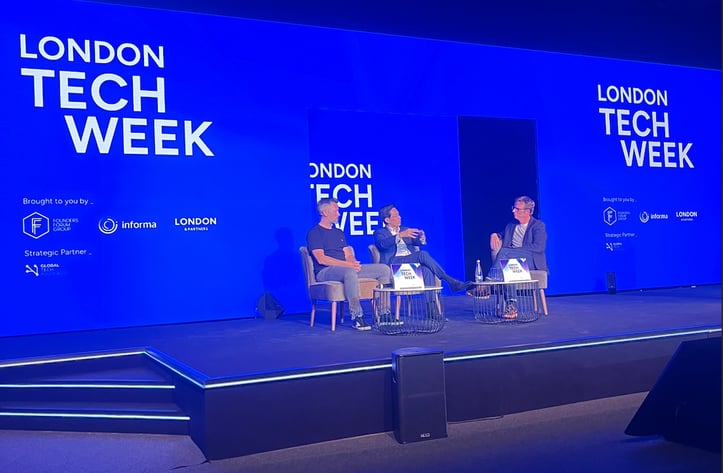
The stage has become one of the few places where unfiltered leadership is visible at scale. Audiences trust what they can see coming from the horse's mouth, and can instantly tell whether a speaker is repeating AI-polished talking points or sharing lived insight.
Building Resonance in a Human-First Future
The brands that win will be the ones that understand a simple truth: trust is built face-to-face.
AI will continue to play a role in shaping and scaling communication. But real influence will belong to the people who can show up, speak clearly, think independently and connect authentically. It’s about who you are when you’re in the room.
If your spokespeople, C-Suite and brand voices need to know how to own physical engagements, get in touch.