The snake eating its own tail
Comparison pages have been around since the beginning of tech (almost). Helpful snapshots of “[Our company] versus [Competitor]”. And they’ve become an important part of the buyer journey, helping people trying to make a decision on which product to go with.
It all worked rather well. People found them useful. Then AI came along and messed with the formula.
AI has created a huge appetite for comparison content. Brands need it to appear in LLM answers. Which platform is best? How does one product compare with another? What does it cost? What are the alternatives?
And with that comes a new risk for brands that are not keeping a close eye on what their competitors are publishing.
The race for AI visibility is fuelling a fire that no one wants, and it’s spreading rapidly.
To feed the AI machine, businesses are producing comparison pages at speed, often using AI and not always carefully. Clumsily, to use the polite word. We have already seen what that content can contain: outdated claims, misunderstandings, selective comparisons and information that has simply been invented.
An AI-generated comparison page might claim that a competitor lacks a particular integration. It could use an old price, misrepresent a security certification, bury an important limitation or compare products designed for entirely different customers.
It may even include citations. But a citation is not the same as evidence, particularly when the cited page may itself have been generated by AI. And therein lies the problem. Once an inaccurate comparison page enters the citation chain, the claim can be retrieved, repeated and given the appearance of legitimacy.
You just need to look to the 2025 study by the European Broadcasting Union and the BBC, which examined 3,000 responses across the major LLMs and found 45% contained at least one significant issue. Almost a third had a serious sourcing problem. Reuters reported on the findings here.
It’s not hard to imagine the same weaknesses affecting product recommendations. One mistake becomes part of the accepted digital story about a brand, repeated across comparison pages, search results and AI answers. And each time, it gets harder to trace and harder to correct. Eventually, it takes on a life of its own.
GEO is not simply responding to the information AI produces. It is changing, and potentially contaminating, the information AI consumes.
This creates a distinct form of reputation risk. The danger lies in its scale, speed and apparent authority. AI can be wrong very confidently, and confidence does a lot of heavy lifting online.
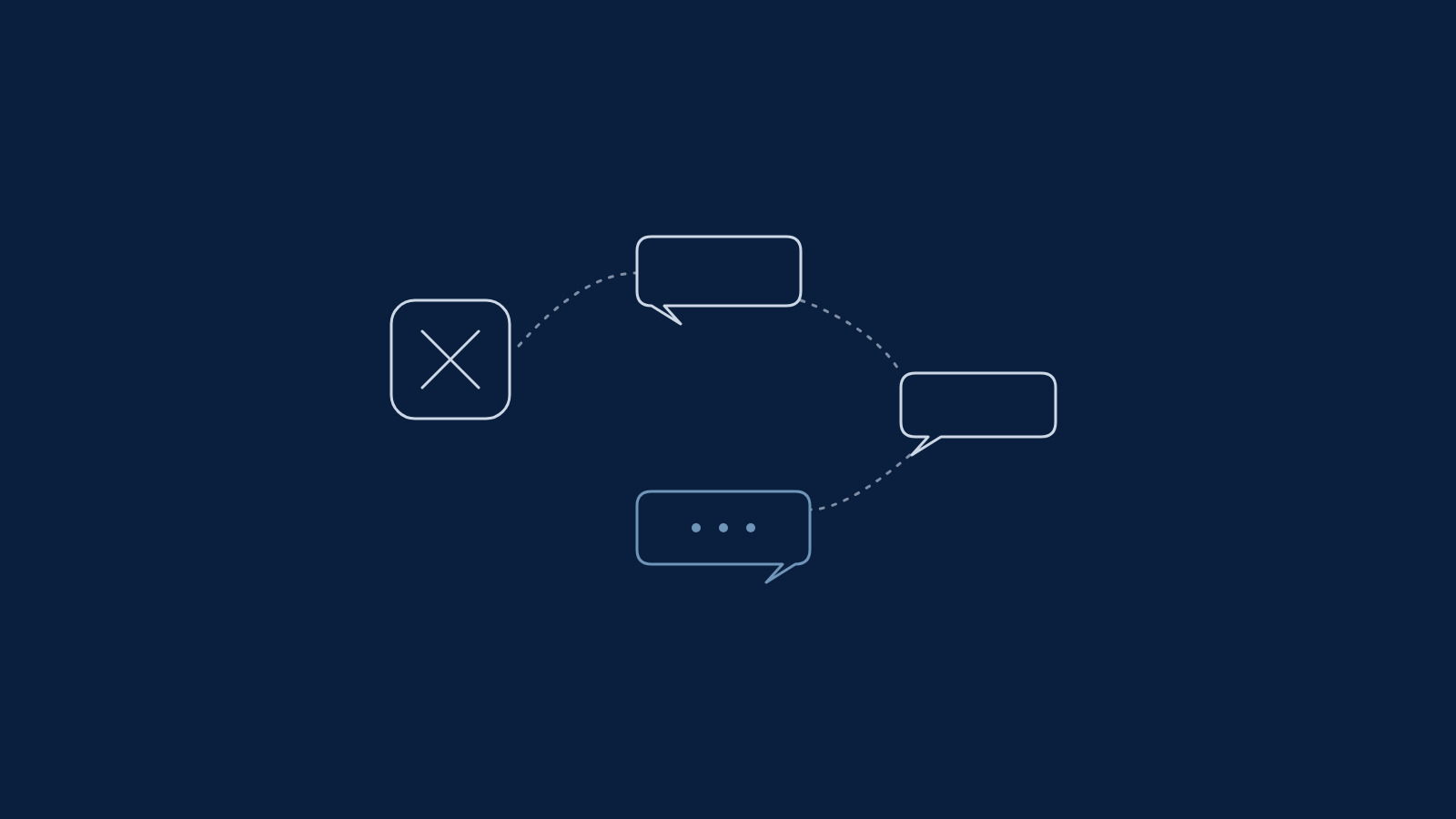
We are using AI to write for AI, then letting AI mark its own homework and cite it as independent evidence. One AI writes the comparison. Another retrieves it. A third summarises it. Each points to the others as proof that the information must be correct.
The snake eating its own tail
Communications teams need to look beyond coverage
PR teams have always kept an eye on what others say about a brand. First it was the media. Then analysts, influencers and social channels.
Now we need to watch the machines too.
Not because AI is simply another channel, but because it gathers fragments of information from across the internet and turns them into a confident answer at the exact moment someone is making a decision.
Brands need to know:
- What AI platforms say about them
- How they are being compared with competitors
- Whether claims about their pricing, products and customers are accurate
- Which sources are shaping those answers
- Where incorrect information started and how widely it has spread
- What needs to happen to correct it
They also need clear, authoritative information on their own websites that both people and machines can understand.
That means current product pages, properly researched comparisons, consistent terminology and evidence for important claims.
Comparison pages cannot be published and forgotten. Prices change. Products develop. Integrations are added. Something that was accurate six months ago may be completely wrong today.
None of this is particularly glamorous. Neither is bringing in lawyers because an AI-generated comparison page has got your business wrong.
SEO teams may know how to get a brand into an AI answer. Communications teams need to help make sure that answer is true.
Because if AI is going to speak for your brand, someone needs to know what it is saying.