A fortnight ago, when a buyer asked an AI assistant which UK B2B tech PR agencies to consider, we barely came up. In the first run of our UK B2B Tech PR AI Visibility Index we were 57th of 76 agencies, and this week we're first.
That sounds like a result to celebrate, and in one sense it is, because it shows how quickly a business can change what AI assistants say about it. The fuller picture is more useful, though, and it says a lot about where AI visibility comes from and how much of it a company really owns.
What changed in week 2 of the index?
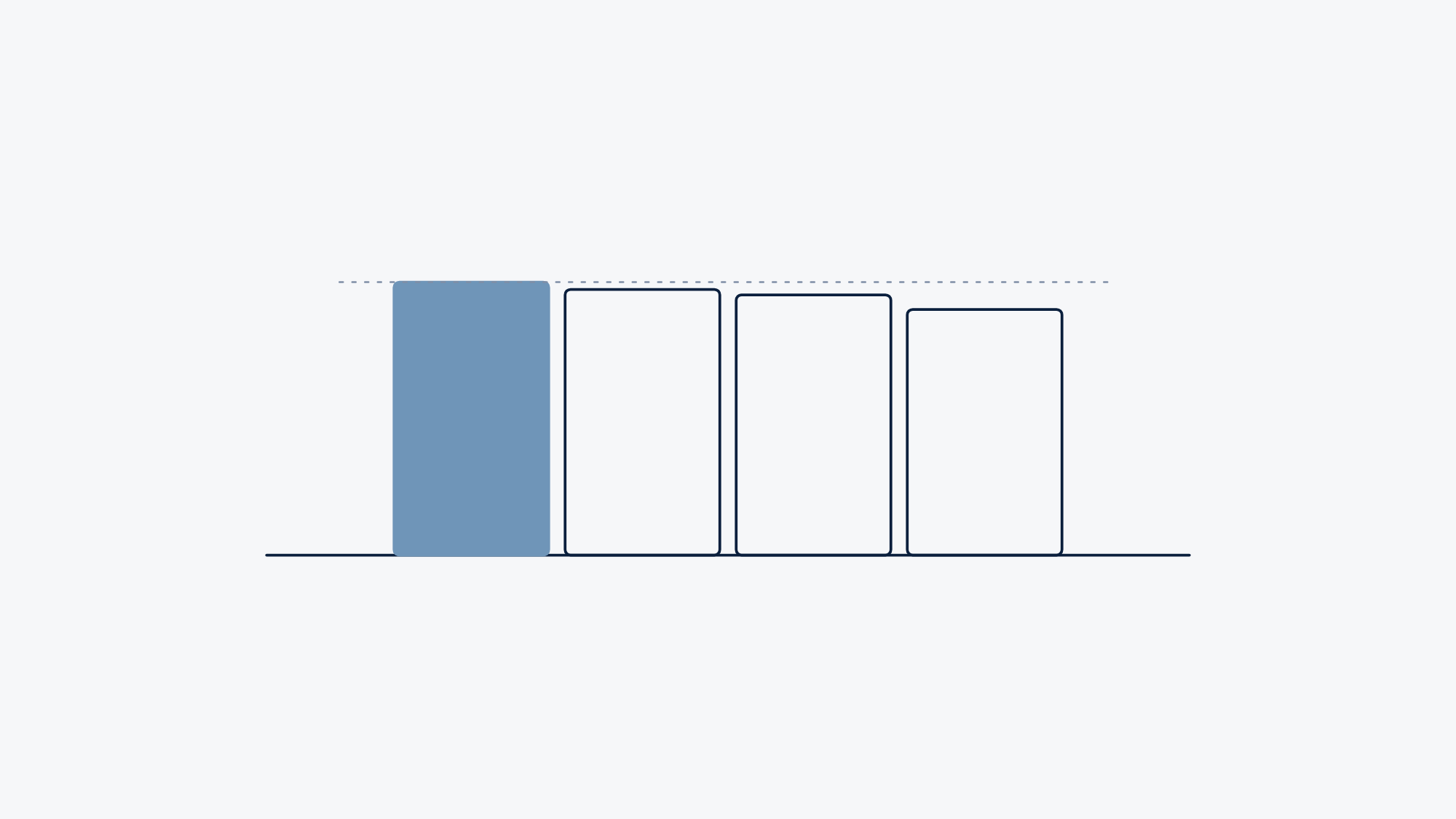
Every week we ask six AI assistants the same 86 questions a buyer might ask when looking for a UK B2B tech PR agency, and we count which agencies they recommend. In week 2 we moved from second to first, with 6.6% of the weighted share of mentions. Hotwire is on 6.5%, Archetype on 6.4% and CCgroup on 6.0%, so the gap between the top four is well inside the margin of error and it is fairer to call it a four-way tie.
The assistants also disagree with each other about who leads. ChatGPT and Grok name us most often, Google AI Mode and AI Overviews favour Hotwire, Gemini favours Archetype and Perplexity favours Spreckley. Because ChatGPT carries the most weight in the index, our lead there lifts us to the top of the combined table. If every assistant counted equally we would be fourth.
Why did we move so quickly?
Most of the assistants we track search the web before they answer. When someone asks which UK B2B tech PR agencies to consider, they look for a page that answers that question directly, and until mid-September we didn't have one. We wrote a page that sets out which agencies are worth considering, what each is good at and what B2B tech PR costs, and we described our competitors fairly on it.
The assistants found it within days, and the effect shows in the citations. In our first run they cited resonancecrowd.com in two answers, whereas this week they cited it in 203, with that one page cited in 116. ChatGPT named us in 47 of its 83 answers this week, and Grok, which didn't name us at all a week ago, named us in 68. Grok's search index seems to pick up new pages a little more slowly than the other assistants do, so it only found our site this week, but it then cited it in 71 of its 83 answers. For any company wondering whether AI visibility can move quickly, the answer from our own data is that it can.
Why we're not treating first place as settled
Almost every answer that names us is reading our own website. When we leave those answers out and count only the ones that drew on other sources, we drop to 58th, which is roughly where we started. Hotwire and CCgroup lead clearly on that view, because journalists and review sites talk about them in places they don't control.
The index page itself is now part of the picture too. It was cited in 81 answers this week, so some assistants are partly reading our own report of the ranking when they answer. We publish our position whatever it is, and we'll keep a close eye on whether that effect grows.
The assistants are also changing underneath us. We ask three check questions every week without scoring them, to see whether the assistants themselves have shifted. ChatGPT gave stable answers, while the other five changed, so some of this week's movement on those five comes from the assistants and has little to do with anything an agency did.
The work still to do: earned media and offsite citations
A position built on your own website is real, but it is fragile. It depends on one page staying the best answer, and it tells an assistant only what you say about yourself. The agencies that lead on the offsite view are recommended because other people have written about them, and that kind of visibility is much harder for a competitor to displace.
Our research on over 1.3 million AI citations shows where that independent material comes from. When buyers are choosing a supplier, about three in four of the media citations in AI answers come from trade and specialist titles, and trade articles are still being cited when they are about nine months old. You can read the full findings in Earned media in the age of AI answers, and our guide to the trade publications AI cites most.
The next stage for us is therefore the same work we do for clients. We'll be pitching commentary and data to the trade titles that cover marketing and communications, asking clients to write reviews on the directories and comparison sites that assistants read, and getting into the third-party lists that buyers use to build shortlists. Over the coming weeks the measure we care about most is the offsite rank, and we'll report it alongside the headline.
What can other B2B companies take from this?
- Answer the buyer's question on a page of its own. Assistants that search the web look for a direct answer, and a clear, fair page can be picked up within days.
- Be honest about competitors. A page that only praises you reads as advertising, whereas a fair comparison is something an assistant can quote.
- Measure the answers that don't read your website. Headline visibility can rest almost entirely on your own pages, and the offsite view shows how much of your reputation other people are carrying for you.
- Track it every week with the same questions. The assistants change from week to week, so a single snapshot can mislead you about what you have achieved.
If you would like to see how the assistants describe your company and which sources they rely on, we can run a free AI visibility snapshot for you. The full ranking, the method and all 86 questions are on the index page, and you can read more about how we work in B2B tech PR.