Is AI Visibility the new PR Blind Spot?
Ask ChatGPT, Perplexity, Claude or Gemini a buyer question in your category, and it’s more than likely that your brand doesn't come up at all. This is no longer a hypothetical - it’s the reality of how buyers form first impressions, and most PR companies aren't built to track it, let alone influence it.
Visibility used to mean reach. Now it means representation.
Traditional PR measurement merely asks how many people saw a story. AI visibility asks a more pertinent question: when a buyer asks a search engine about your category, does it mention you at all, and, perhaps even more importantly, does it get your brand right?
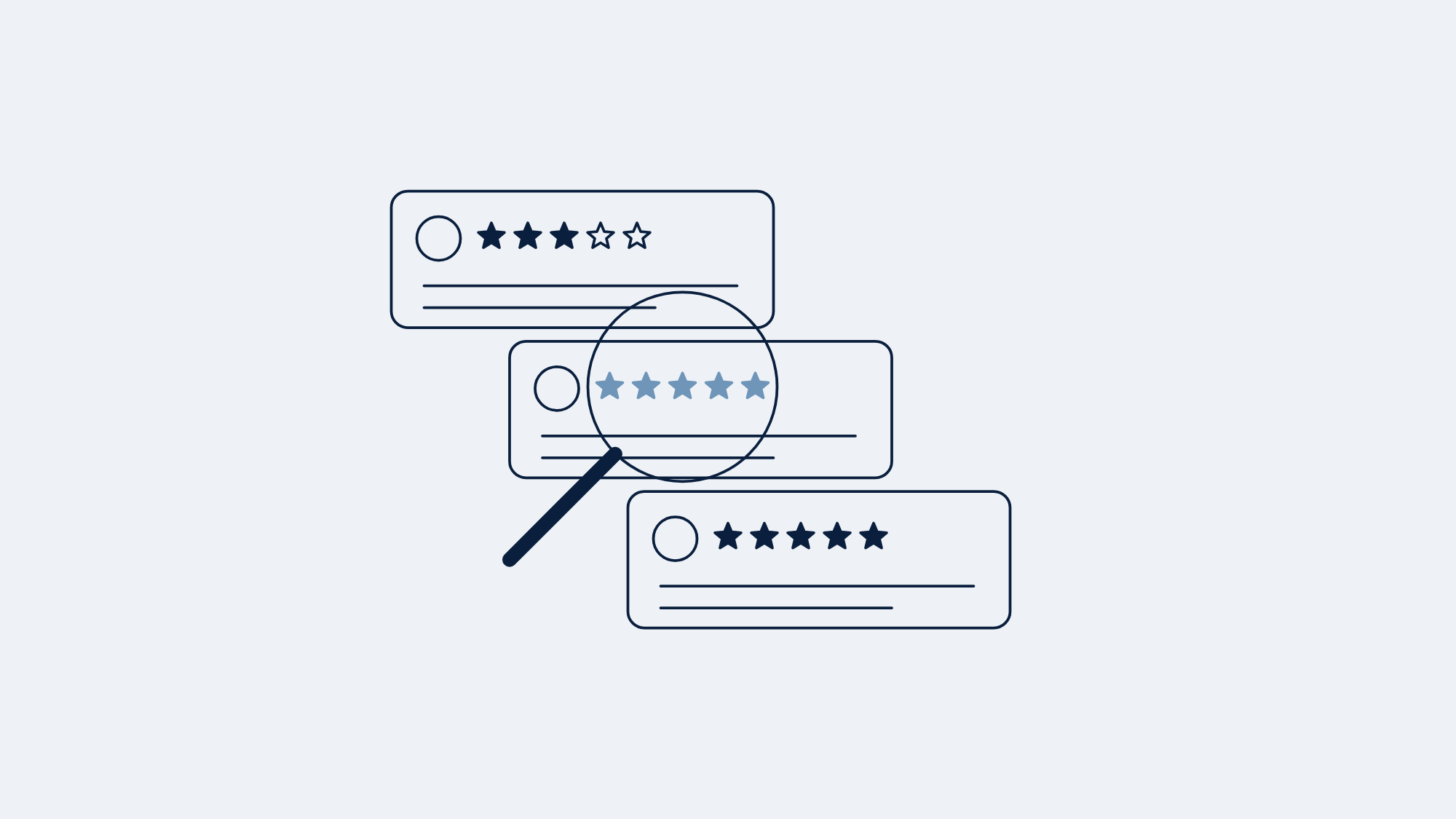
A company can have strong tier one coverage and still be invisible, or misrepresented, in AI-generated answers. The model might cite a three-year-old article, lean on a competitor's more recent case study, or never have found the coverage which you worked the hardest to secure. None of that shows up in a traditional coverage report; yet, all of it shapes a brand’s image and reputation.
Research from Website Auditor, based on 531 website audits, found that 94.8% of audited sites are never named in an AI answer, and only 1.9% of 5,978 assistant answers named the business asked about. This validates that most brands have simply never checked their own visibility, and most likely neither have their PR teams.
What this means for the PR Industry
- The placement isn't the finish line anymore. A great feature used to be the deliverable: screenshot it, report it, move on. Now that same article might get folded into an AI answer where your brand gets a passing mention next to competitors, or doesn't make the cut at all. PR has to start caring about what happens to a story after it runs, not just whether it ran.
- Being right matters more than ever, and errors travel further. Things like old positioning, a killed product, or a stale statistic from a press release two years ago can be picked up by an AI model and repeated confidently to thousands of people. Keeping the public record accurate has become an essential part of any PR’s job description.
- Earned media is now more valuable. AI systems lean heavily on independent, third-party sources when they decide what to cite, which means the fundamental thing PR has always sold (credible coverage from outlets a brand doesn't control) is exactly what these models are hunting for.
PR, SEO, and content can't stay in separate lanes. Whether a brand shows up in an AI answer depends on how a story is written, where it's placed, and how it's structured: territory that used to belong to three different teams. The organisations that win this will be the ones that stop treating AI visibility as someone else's problem, and start treating it as an essential and invaluable metrics tool.
If you don't know what AI models are saying about your brand right now, you're not alone. Talk to us about finding out.